
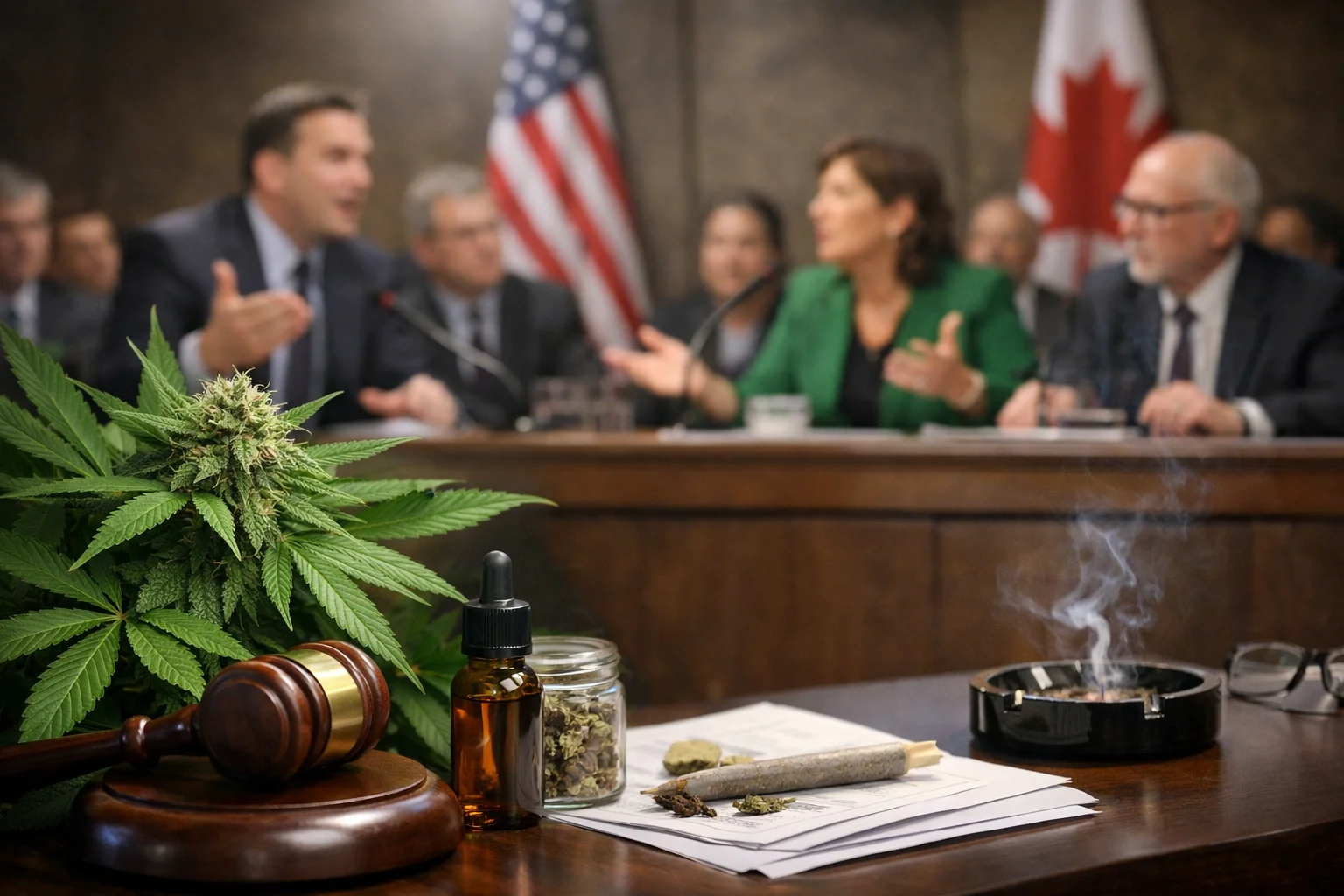
The global conversation around cannabis is shifting once again. As governments evaluate public health, economic impact, and social outcomes, new developments show that cannabis policy is far from settled.
Recent reporting highlights how authorities are reconsidering their stance on cannabis regulation, balancing legalization benefits with concerns about misuse, safety, and long-term societal effects.
A Changing Legal Landscape
Over the past decade, cannabis laws have evolved rapidly. Many regions have moved toward legalization or decriminalization, allowing regulated access for adults. This shift was driven by goals such as reducing illegal markets, generating tax revenue, and easing pressure on criminal justice systems.
However, policymakers are now reassessing whether current frameworks are working as intended. Questions like “is pot legal in America” or “why is marijuana legal in some states” remain central to public debate, especially as laws differ widely across jurisdictions.
Rising Concerns Around Use and Safety
While legalization has brought economic opportunities, it has also raised concerns about increased consumption, particularly among frequent users. Experts point to issues such as high THC potency, impaired driving risks, and the need for clearer public education.
Health officials emphasize that cannabis is not risk-free. Just like alcohol or tobacco, excessive use can lead to dependency and other health complications. This has led to growing calls for stronger regulation rather than a complete rollback of legalization.
Regulation Over Reversal
Despite concerns, most policymakers are not pushing for a return to prohibition. Instead, the focus is shifting toward refining existing systems.
This includes:
- Setting clearer limits on potency
- Improving product labeling and packaging
- Strengthening age restrictions
- Expanding public awareness campaigns
The goal is to strike a balance where adults retain access, but risks are minimized through smarter oversight.
The Future of Cannabis Policy
The cannabis industry continues to evolve alongside public opinion and scientific research. Governments are increasingly recognizing that legalization is not a one-time decision but an ongoing process that requires adjustment.
Rather than asking whether cannabis should be legal, the real question now is how it should be regulated effectively.
Final Take
Cannabis policy is entering a new phase. Legalization has opened doors, but it has also revealed challenges that require thoughtful solutions.
As the debate continues, one thing is clear: the future of cannabis lies not in extremes, but in balanced, evidence-based regulation that protects public health while respecting individual freedom.
FAQs
1. Is cannabis legal everywhere?
No, cannabis laws vary by country and region, with some allowing full legalization and others enforcing strict bans.
2. Why are governments reconsidering cannabis laws?
Due to rising concerns about public health, THC potency, and increased usage after legalization.
3. Is marijuana harmful?
Cannabis is not harmless. Excessive use can lead to dependency and health issues.
4. Will cannabis be banned again?
Most governments are focusing on regulation rather than banning cannabis entirely.
5. What is the future of cannabis policy?
The future lies in balanced regulation, including safety controls, taxation, and education.

James Carter has a background in science communication and a knack for breaking down complex topics into easy-to-understand stories. He loves diving deep into the facts behind CBD’s rise—from policy updates and market trends to new research. James is passionate about sharing the latest news and helping others understand what it all means. He writes clear and honest articles to keep readers updated on CBD laws, health benefits, and new products. When he’s not writing, he enjoys spending time outdoors and exploring natural ways to stay healthy.